
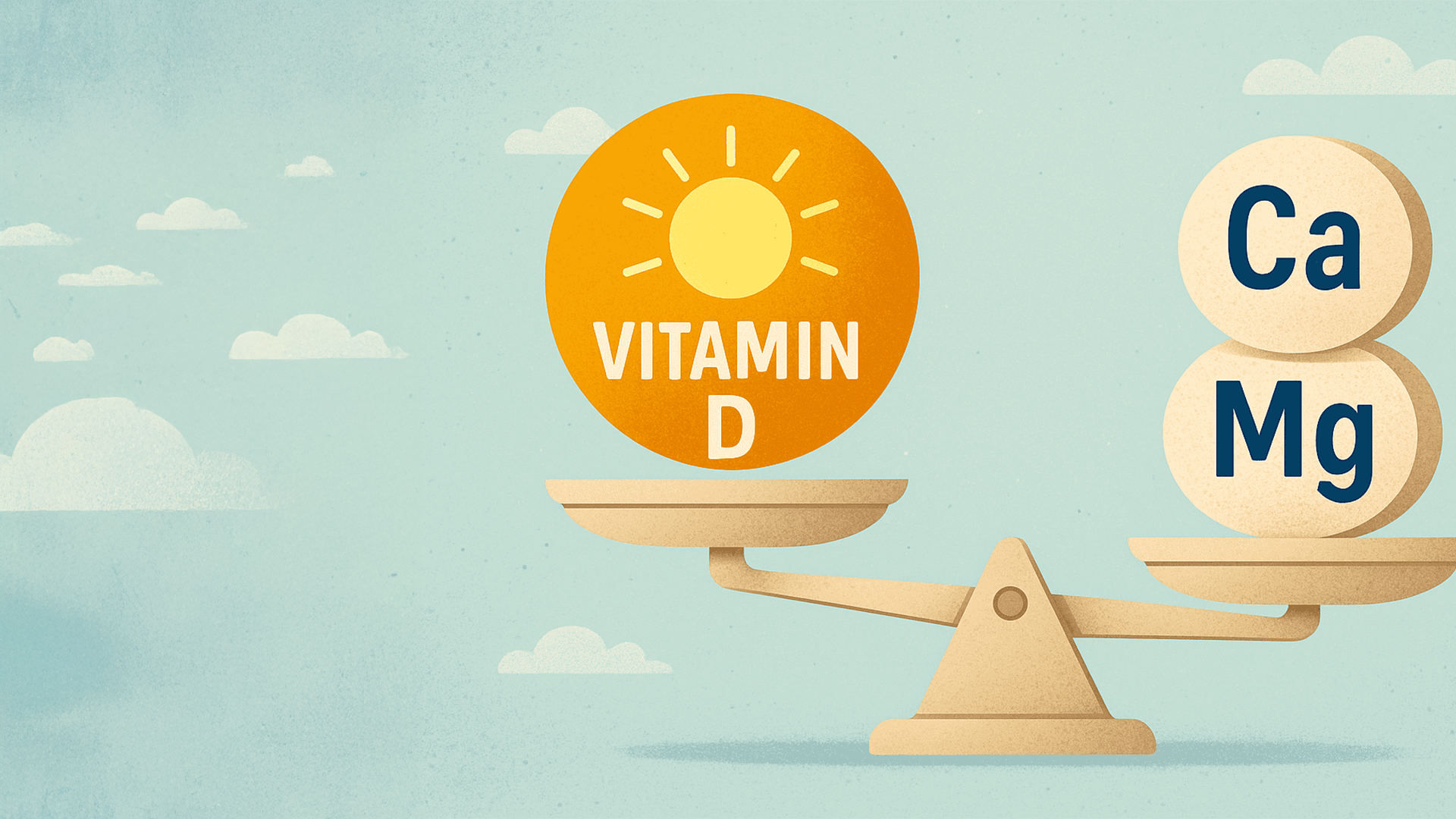
Why Vitamin D Doesn’t Work the Same for Everyone
Vitamin D remains one of the most widely used dietary supplements in the U.S., yet research continues to show that outcomes vary significantly from person to person. A growing body of evidence suggests that magnesium may be a critical, often overlooked factor in how vitamin D is absorbed, metabolized, and regulated in the body.
A randomized clinical trial conducted by Vanderbilt-Ingram Cancer Center and published in The American Journal of Clinical Nutrition found that magnesium does not simply increase vitamin D levels. Instead, it appears to act as a regulator—raising vitamin D in individuals who are deficient while lowering it in those with excessively high levels.
Researchers described magnesium as functioning like a “thermostat” for vitamin D, helping keep blood levels within a healthy middle range rather than pushing them in one direction. This may help explain why large vitamin D studies have produced mixed results and why supplementation alone doesn’t always deliver consistent outcomes.
For supplement brands, this research highlights an important formulation insight: vitamin D performance may depend as much on supporting minerals as it does on dosing alone. This aligns with broader trends explored in Why Cognitive, Herbal, and Functional Supplements Are Converging Right Now , where synergistic ingredient strategies are increasingly shaping product development.

Magnesium’s Role in Vitamin D Activation and Balance
Magnesium is required for multiple enzymatic steps involved in vitamin D synthesis, transport, and activation. Without sufficient magnesium, these pathways can become inefficient—meaning vitamin D may remain inactive even when intake appears adequate.
In the Vanderbilt trial, researchers observed that magnesium supplementation helped normalize vitamin D status rather than uniformly increasing it. This finding supports earlier research showing that low magnesium intake is frequently associated with low vitamin D levels.
Importantly, magnesium deficiency is common. National estimates suggest that up to 80% of U.S. adults do not meet the recommended dietary allowance (RDA) for magnesium. This widespread gap may quietly undermine vitamin D-focused wellness strategies.
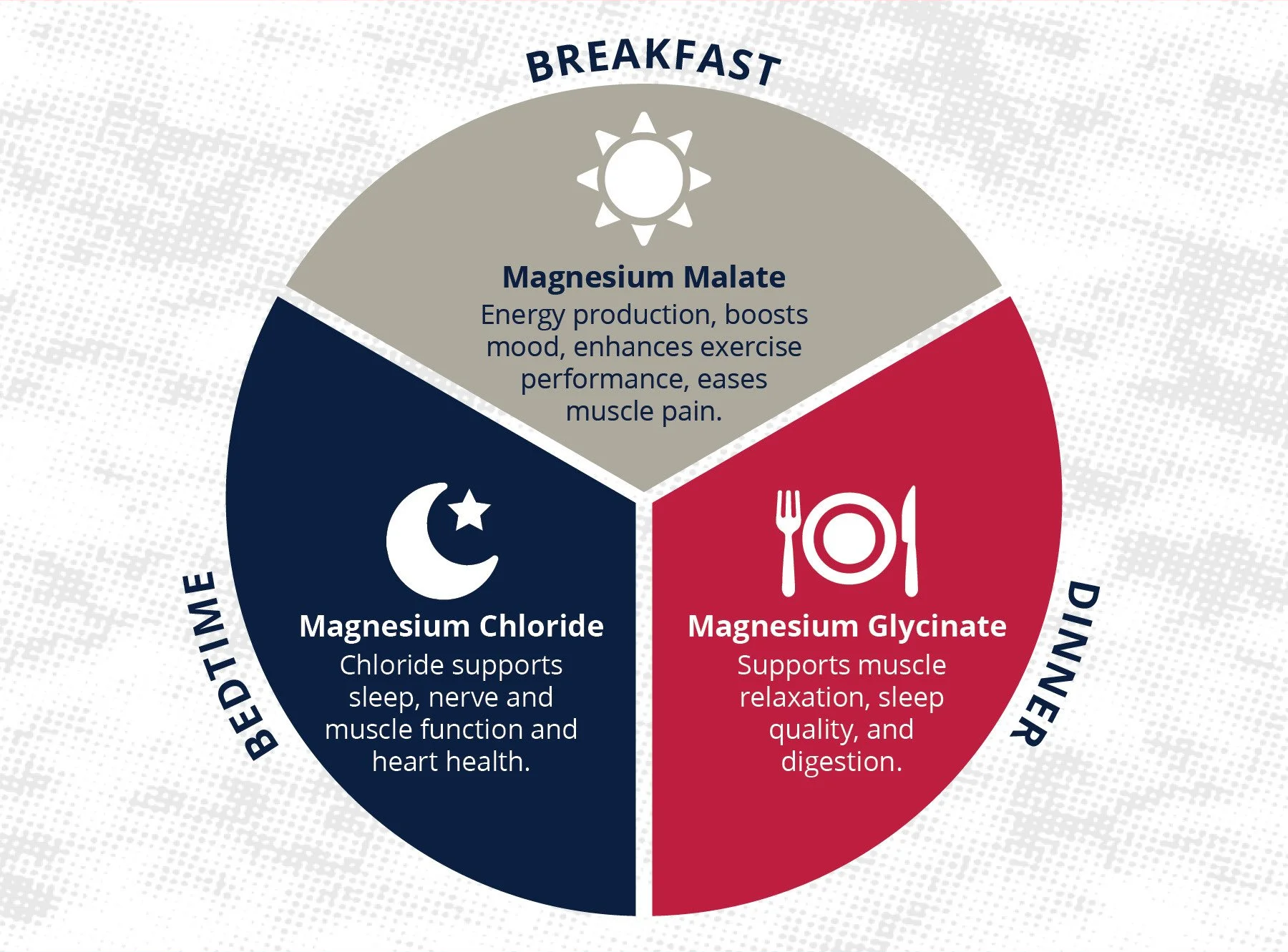
From a formulation perspective, this opens the door to thoughtfully designed magnesium-first products—such as magnesium gummies for daily compliance or magnesium tinctures for flexible dosing and faster absorption. These formats allow brands to address foundational mineral support before layering in additional actives.
A deeper look at delivery formats, magnesium types, and clinical evidence is explored in The Ultimate Guide to Magnesium Gummies: Types, Benefits, and Clinical Evidence , which outlines how different magnesium forms behave in functional supplement applications.
What This Means for Product Strategy and Compliance
As regulatory scrutiny and marketplace standards continue to evolve, ingredient transparency and formulation logic matter more than ever. Research-backed combinations—like magnesium supporting vitamin D balance—help brands align with consumer expectations for effectiveness without overstated claims.
This is particularly relevant as platforms like Amazon introduce tighter compliance requirements around manufacturing practices and verification. Brands developing mineral-based or functional supplements should ensure their formulations are supported by sound science and produced under current Good Manufacturing Practices (cGMP).
These regulatory shifts are outlined in Amazon Expands cGMP Verification Requirements for Dietary Supplements , which details what supplement sellers should prepare for moving forward.
Taken together, the emerging science around magnesium and vitamin D underscores a broader trend: consumers and platforms alike are rewarding products that are thoughtfully formulated, responsibly manufactured, and supported by credible research.
As brands explore opportunities in mineral, cognitive, and functional wellness categories, magnesium gummies and tinctures represent adaptable, scalable formats that fit well within today’s compliance and consumer landscape—while addressing a quietly critical nutritional gap.