
Regulatory and Business Factors Shaping the Dietary Supplement Industry in 2026
2026 is shaping up to be a defining year for dietary supplement brands. The category is still growing, but the rules of competition are changing quickly.
We are seeing a stronger emphasis on compliance readiness, documentation, and retailer standards, alongside a continued demand for products that deliver clear, targeted outcomes.
In this article, we are breaking down key regulatory and business dynamics we expect to influence product strategy, operations, and deal activity in 2026.
The goal is simple: help brands plan smart, launch confidently, and avoid preventable setbacks.
Related reading from our team:
Exploring Supplement Trends for 2026: What’s Growing, What’s Changing, and What Brands Should Watch
Why Vitamin D Doesn’t Work the Same for Everyone
The Ultimate Guide to Magnesium Gummies: Types, Benefits, and Clinical Evidence
What is changing in 2026
- State-level regulation is expanding, creating a patchwork of requirements that brands must track carefully.
- Regulatory uncertainty continues around certain high-interest ingredients, including hemp-derived compounds and other “gray zone” actives.
- Retailers and marketplaces are acting like gatekeepers, setting stricter private standards that can exceed federal baseline requirements.
- Quality documentation is becoming a competitive advantage, not just a back-office requirement.
For brands selling on Amazon, pitching to national retailers, or preparing for wholesale growth, the message is clear: strong formulations matter, but compliance readiness and operational maturity are now equally important.
Source: Skadden Publication, “Key Regulatory and Business Factors Shaping the Dietary Supplement Industry in 2026” (Jan. 12, 2026).

1) State-level restrictions are creating real compliance complexity
One of the biggest operational realities heading into 2026 is the growing number of state-level laws that regulate supplement sales based on how products are marketed, not just what ingredients they contain.
For example, multiple states are exploring or enforcing age restrictions tied to supplements marketed for weight loss or muscle building. Even if your formulation is compliant, your label language, product naming, and online positioning can determine whether additional verification steps apply.
Practical takeaway: In 2026, “marketing compliance” is just as important as “formula compliance.” Brands should review product pages, claims, and creatives as part of their compliance program.
2) Ingredient uncertainty is pushing brands toward safer, scalable product strategies
Another theme we expect to continue throughout 2026 is ingredient uncertainty in categories where federal policy, state enforcement, and platform rules do not always align. Hemp, CBD, and related cannabinoids remain complicated from a federal standpoint, even as consumer demand stays strong.
For many brands, this is driving a shift toward product lines that are easier to scale across channels without constantly reworking labels and compliance strategy. We are seeing growing interest in functional products built around minerals, botanicals, and well-established actives that can support focus, sleep, hydration, and daily performance.
Examples of formats brands are prioritizing for 2026:
- Functional drinks positioned for daily routines like hydration, energy, or mood support
- Gummies for approachable, lifestyle-friendly supplementation (sleep, stress, minerals, adaptogens)
- Tinctures for flexible dosing and premium positioning across wellness categories
3) FDA labeling discretion reduces some friction, but increases decision risk
The FDA’s more discretionary approach in certain labeling areas may reduce some litigation exposure, but it can also make decision-making harder for brands. When rules are interpreted through enforcement discretion, companies have to make careful judgment calls about what is “safe enough” to ship at scale.
This is one reason why many successful supplement brands are tightening internal review processes in 2026, including claim substantiation, label checks, and documented rationale for product positioning.
Source: Skadden Publication, “Key Regulatory and Business Factors Shaping the Dietary Supplement Industry in 2026” (Jan. 12, 2026).
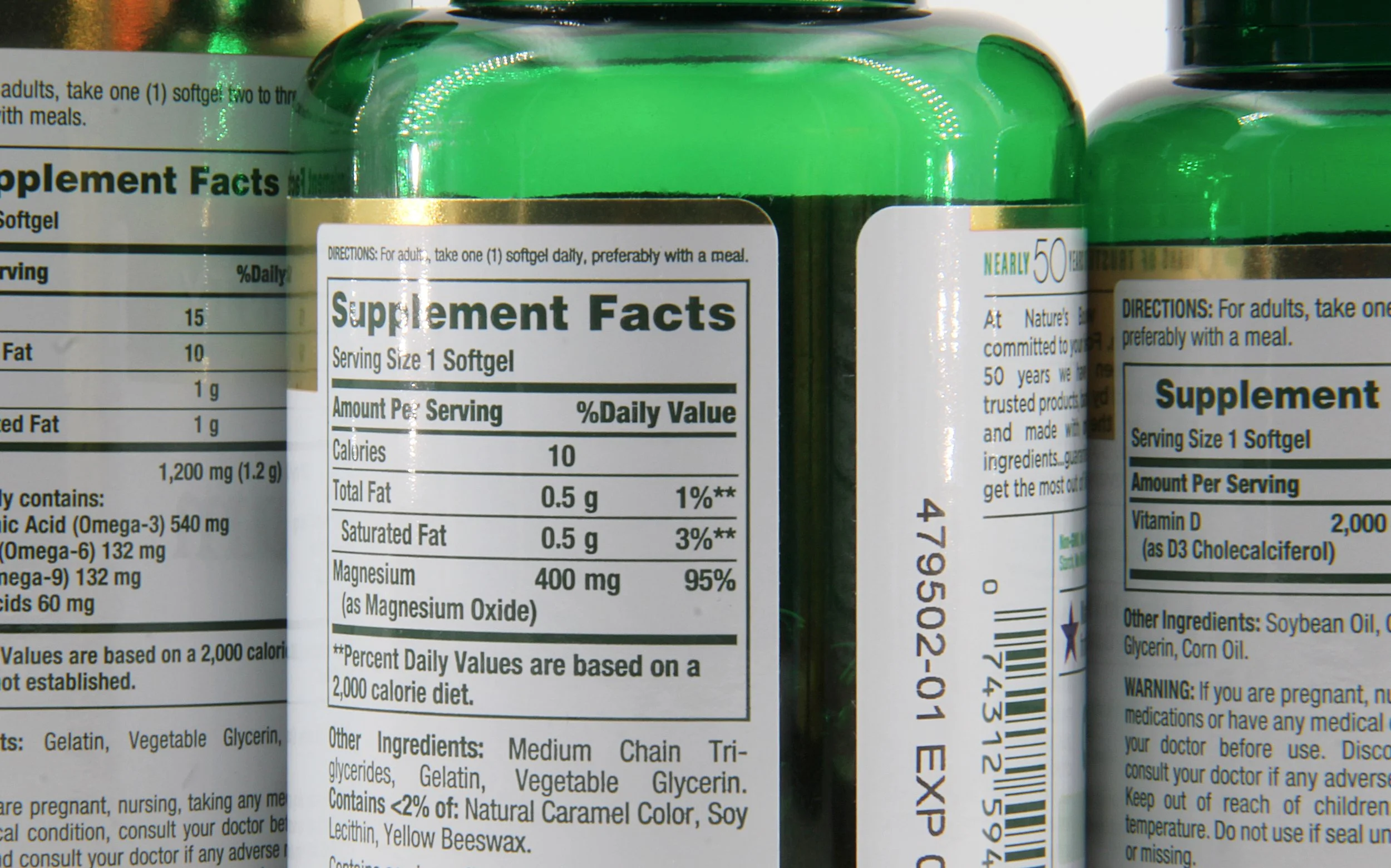
Retailers and marketplaces are setting the new baseline for “acceptable” supplements
In 2026, some of the most meaningful “regulation” in the supplement space is not coming from federal agencies.
It is coming from major retailers, large e-commerce platforms, and distribution partners.
These gatekeepers increasingly require stronger documentation, tighter ingredient standards, and clearer claim support before products are approved for listing or shelf placement.
For brands, this shifts compliance from a legal requirement into a commercial requirement.
What this means for brands
- Documentation and quality systems influence channel access
- Claims and positioning must be defensible and consistent
- Products must be designed to scale across multiple sales channels
What this means for product strategy
- More targeted formulas with clear outcomes
- Cleaner labels and fewer “questionable” claims
- Formats that fit modern routines, including drinks, gummies, and tinctures
How brands can prepare for 2026 without overcomplicating it
The brands that win in 2026 will not necessarily be the ones with the most SKUs.
They will be the ones with the clearest positioning, the cleanest compliance story, and the best operational readiness.
A simple 2026 readiness checklist:
- Review product claims and marketing language for category triggers
- Confirm label structure, disclaimers, and documentation practices are consistent
- Build a channel strategy that accounts for retailer and marketplace standards
- Prioritize scalable formats like drinks, gummies, and tinctures with clear consumer outcomes
If you want additional market context on where formulation trends are heading, mineral positioning, and what consumers are actively shopping for, these articles may help:
- Exploring Supplement Trends for 2026: What’s Growing, What’s Changing, and What Brands Should Watch
- Why Vitamin D Doesn’t Work the Same for Everyone
- The Ultimate Guide to Magnesium Gummies: Types, Benefits, and Clinical Evidence
At Organic Supplement Manufacturing, we support brands building modern supplement lines that are designed for 2026 realities.
That includes product formats consumers actually stick with, like functional drinks, gummies, and tinctures, backed by a quality-first approach.
Source: Skadden Publication, “Key Regulatory and Business Factors Shaping the Dietary Supplement Industry in 2026” (Jan. 12, 2026). Educational content only, not legal advice.