

Common Brand Mistakes in Contract Manufacturing and How to Prevent Expensive Fixes
In 2026, supplement brands are being judged on more than ingredients. Buyers, retailers, and regulators are evaluating whether a product is easy to use, clearly labeled, and consistently manufactured. That reality creates opportunity, but it also creates new ways to make avoidable mistakes.
One common error is choosing a format because it is trendy, without validating whether the formula, claims, and stability profile actually match that format. For example, a “daily performance” concept might sound perfect as a functional drink, but without early stability work it can quickly become a shelf life problem. Similarly, brands may want a gummy for convenience, but discover later that the target dose is difficult to achieve without compromising texture, taste, or uniformity. With tinctures, a frequent issue is underestimating how quickly bitterness, separation, or ingredient interactions can affect consumer experience.
Another mistake is building a launch plan around marketing timelines, while leaving manufacturing realities as an afterthought. If your labels, compliance language, testing plan, and packaging decisions are not locked early, the project often “looks done” until the last mile, where it becomes expensive to correct. This is where strategic planning helps, especially in an environment shaped by retailer standards and evolving compliance expectations.
For context on how format and buyer expectations are shifting, see Effervescent formats in 2026: why they are getting renewed attention and Regulatory Pressure + Consumer Demand Are Reshaping Supplement Strategy .

Where Brands Get Hit the Hardest: Label Risk, Testing Gaps, and “Reasonable Consumer” Lawsuits
A major category of preventable problems shows up after a product is already on the market: labeling disputes, testing challenges, and class action exposure. In the U.S., consumer lawsuits increasingly focus on whether a label could mislead a “reasonable consumer,” and recent cases emphasize that context, qualifiers, and disclaimers matter. That means brands need to treat labeling as a system, not a final design task.
Common pitfalls include claims that are too absolute, serving-size confusion, and ingredient callouts that do not match what testing will show across shelf life. For gummies, this often shows up as potency or uniformity disputes if the product is not formulated and validated for consistent distribution. For drinks, stability and settling can create “looks different than expected” outcomes that trigger complaints, especially if consumers interpret changes as quality issues. For tinctures, ingredient clarity and claim language matter because consumers read them as concentrated and “therapeutic,” even when the intended positioning is general wellness.
Brands also underestimate how often plaintiffs use product testing to challenge labeled amounts or “zero” declarations. That makes it essential to build a defensible testing plan up front, including specifications, retention samples, and clear substantiation for claims and marketing statements. In practice, this means aligning what you say, what you test, and what you can prove, not just what you want the product to communicate.
If you are exploring performance-oriented positioning, ingredient stacks, or daily-use formats, this is also a good reference: Innovative Creatine Formats Are Reshaping Food, Beverage, and Supplement Categories . It highlights how format choices affect real-world usage and expectations, which directly impacts labeling risk.
How We Solve Problems When They Arise: Practical CM Expertise for Drinks, Gummies, and Tinctures
Even with the best planning, issues can arise in manufacturing. The difference is whether your CM partner can diagnose the root cause quickly and fix it without turning a small problem into a delayed launch or a costly relabel.
Here are a few real-world examples of how expertise matters:
- Functional drinks: If separation, haze, or flavor drift shows up, the solution is rarely “add more emulsifier.” It starts with compatibility checks, processing conditions, packaging fit, and a stability plan that matches your channel. The goal is a drink that stays consistent through shipping, storage, and consumer use.
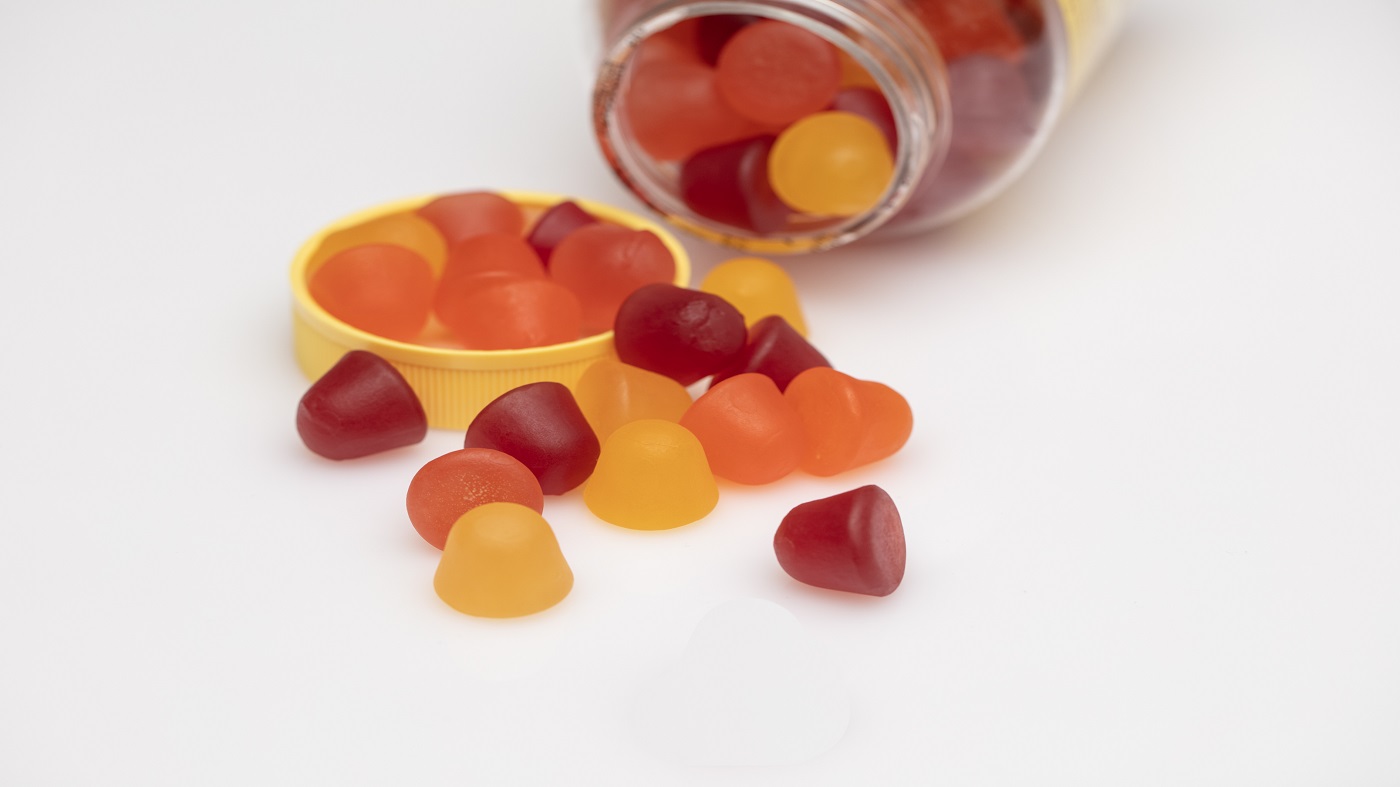
- Gummies: If you see sweating, stickiness, bloom, or potency variability, you need a formulation and process review that considers water activity, ingredient interactions, cook targets, and packaging barrier. Uniformity and sensory consistency must be treated like core specs, not nice-to-haves.
- Tinctures: If bitterness, separation, or clouding appears, you need solvent system discipline, ingredient solubility validation, and clear labeling that matches the finished product behavior. A stable tincture should look, taste, and pour the same across its shelf life.
When we support brands, we focus on preventing the most common avoidable failures: unclear claims, weak substantiation, incomplete testing strategy, rushed packaging decisions, and format choices that do not match the formulation realities. If you want to see examples of the types of products and formats we build, you can browse Our Selection .
If you are planning a drink, gummy, or tincture launch and want a manufacturing partner that can anticipate problems and solve them fast when they appear, Organic Supplement Manufacturing is built for that.
Get In Touch
Meet or Message Us!
Connect with our contract manufacturing experts to discuss your project requirements. Schedule a personalized video consultation at your convenience to explore how OSM can bring your product vision to life with our proven manufacturing solutions.
No commitment required • Free initial consultation • Flexible scheduling