
OSM Industry Intel • Spring 2026
Liposomal Technology: How It Works, Why It Matters, and Where Your Next Product Line Fits In
Liposomal delivery is reshaping how consumers think about supplement absorption. Here is a practical breakdown of the science, the market opportunity, and the formats worth building around.
Here is the uncomfortable truth about most dietary supplements: a significant portion of what people swallow never actually reaches their bloodstream. Stomach acid degrades it. Enzymes chew it apart. The liver filters out a chunk of what survives. By the time the active ingredient arrives where the body can use it, the effective dose is a fraction of what was printed on the label.
Consumers are starting to figure this out. And when consumers figure something out, they start looking for alternatives.
That is where liposomal technology enters the conversation. Liposomal supplements wrap active ingredients inside microscopic phospholipid spheres (called liposomes) that protect the nutrient through the digestive process and deliver it directly into cells. The concept has been around in pharmaceutical drug delivery for decades. What has changed recently is that the manufacturing technology has matured enough to make liposomal formats viable in consumer supplement categories like gummies, tinctures, and functional beverages.
The global liposomal supplements market is projected to reach $745 million by 2034, growing at a compound annual rate near 7.9%. That kind of trajectory signals more than a trend. It signals a format shift that brands building product lines in 2026 and beyond should understand from the ground up.
So let’s get into the science, cut through the marketing noise, and talk about what liposomal delivery actually does, which ingredients benefit most, and how to build products around it without overselling or underdelivering.
How Liposomes Actually Work (Without the Buzzwords)
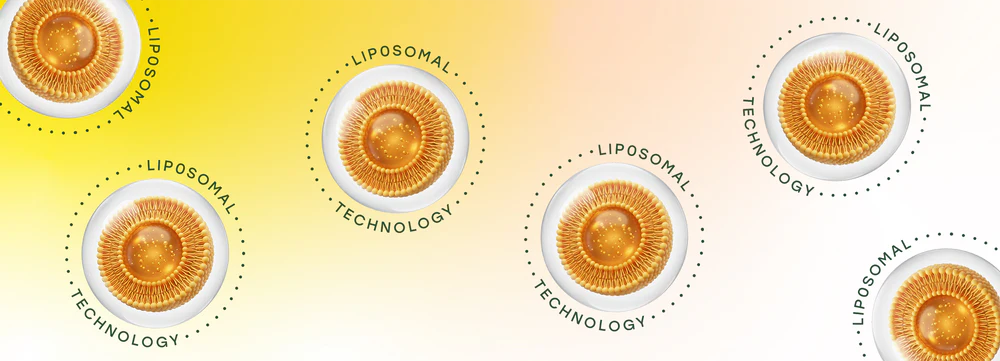
A liposome is a tiny spherical vesicle made from a phospholipid bilayer. If that sounds complicated, think of it this way: phospholipids are the exact same type of fat molecules that make up human cell membranes. Each phospholipid has a water-loving head and a fat-loving tail. When you put a bunch of them in a water-based solution, they naturally self-assemble into double-layered spheres with a water-based core inside and a fatty shell outside.
That structure is what makes liposomes useful. The water-based core can carry water-soluble ingredients (like vitamin C or glutathione). The fatty bilayer can carry fat-soluble ingredients (like curcumin or CoQ10). And because the outer shell is made of the same material as human cell membranes, the body recognizes it as familiar rather than foreign.
When a liposomal supplement passes through the stomach, the phospholipid shell acts as a protective barrier against acid and enzymatic breakdown. Once it reaches the intestinal lining, the liposome can merge with the intestinal cell membranes and release its payload directly into the cell. Some liposomes are absorbed intact into the lymphatic system, bypassing first-pass liver metabolism entirely.
The result is significantly higher bioavailability for ingredients that would otherwise be destroyed or poorly absorbed in standard supplement formats.
Which Ingredients Benefit Most from Liposomal Delivery?
Not every ingredient needs liposomal encapsulation. Some nutrients absorb perfectly well in standard forms. The value of liposomal delivery is highest for ingredients that have known absorption problems in conventional formats. Here are the ones that matter most:
Vitamin C. Standard ascorbic acid hits a saturation ceiling. Take a large dose and the body stops absorbing it, often triggering digestive discomfort. Clinical data shows liposomal vitamin C achieves roughly 1.77 times the bioavailability of standard forms, allowing higher effective doses without the gastrointestinal issues. For brands building immunity or recovery products, that absorption advantage translates directly into a stronger efficacy story.
Glutathione. This is the textbook case for liposomal delivery. Glutathione is one of the body’s most important antioxidants, but standard oral glutathione is almost completely destroyed by stomach enzymes before it can be absorbed. Research published in the European Journal of Clinical Nutrition found that liposomal glutathione increased body stores by 40% in just one week. Without liposomal encapsulation, oral glutathione supplements are largely ineffective.
Curcumin. Curcumin (from turmeric) has well-documented anti-inflammatory properties, but it is notoriously difficult to absorb because it does not dissolve well in water. Wrapping curcumin in a liposomal shell dramatically improves its bioavailability, making it a viable active ingredient in functional supplements rather than just a label decoration.
CoQ10. Coenzyme Q10 supports mitochondrial energy production and cardiovascular health. Liposomal CoQ10 has been shown to achieve significantly higher plasma concentrations compared to standard formats, which matters for consumers looking for real physiological effect from their daily dose.
B Vitamins and emerging actives. The liposomal approach is increasingly being applied to B-complex vitamins, magnesium, and other micronutrients where gut sensitivity or absorption variability limits the effectiveness of conventional delivery. As we covered in our recent article on vitamins B3 and B6 for muscle recovery, even well-known micronutrients can surprise you with new clinical applications when the delivery method is optimized.
The honest assessment: Liposomal delivery is a genuine scientific advancement for specific hard-to-absorb ingredients. For nutrients that already absorb well in standard forms (like vitamin D in oil-based softgels or basic zinc), the added cost of liposomal encapsulation may not provide enough consumer benefit to justify the price premium. Smart formulation means knowing which ingredients actually need the technology and which ones do not.
Quality Signals Your Customers Will Start Looking For
As liposomal supplements gain shelf space, consumer education is catching up. Informed buyers are learning to evaluate quality, and brands that get ahead of this will benefit. A few things worth knowing:
Particle size matters. Research indicates that liposomes under 200 nanometers are significantly more effective at entering the bloodstream and maintaining stability. Manufacturing processes that produce consistent sub-200nm particles require specialized equipment and tighter quality controls.
Phospholipid sourcing matters. Real liposomal products use phosphatidylcholine, typically derived from sunflower or soy lecithin. If a product label does not list phospholipids as an ingredient, what the consumer is getting is likely an emulsion (fat mixed with water), not a true liposome.
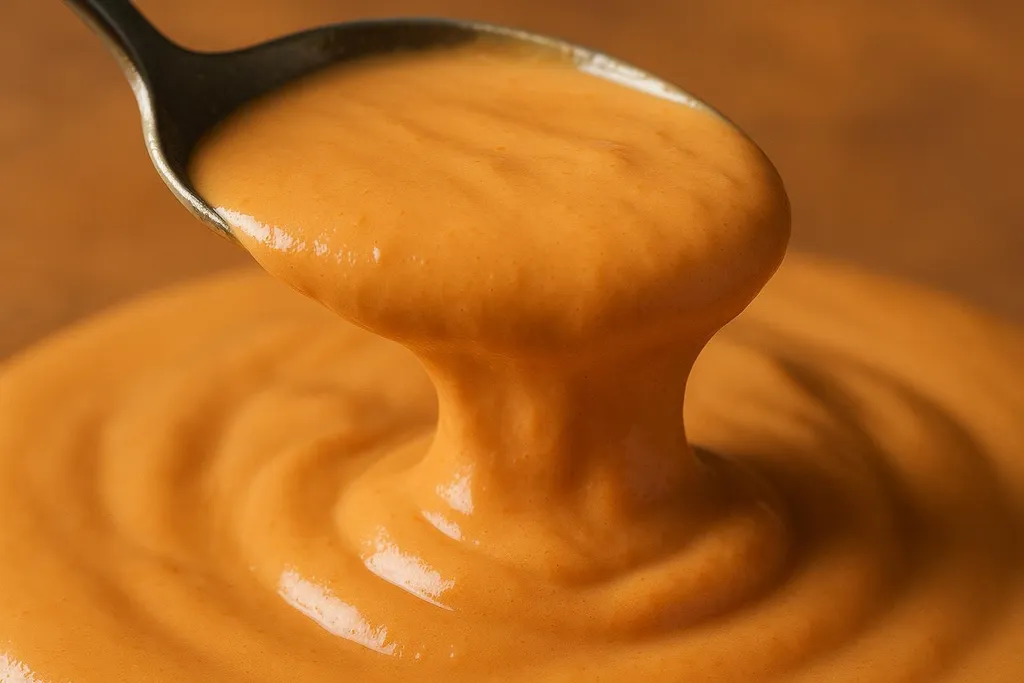
Format and texture are quality indicators. Liquid liposomal supplements tend to have a creamy, slightly viscous texture because of the phospholipid content. Thin, watery liquids labeled “liposomal” should raise questions. Newer manufacturing technology has also made it possible to produce liposomal gummies and capsules, expanding the format options beyond liquids.

How to Build Liposomal Products Into Your Brand Strategy
For supplement brands working with a contract manufacturer, liposomal delivery opens several practical product development paths. The key is matching the technology to the right ingredient, the right consumer need, and the right format.
Liposomal gummies. The gummy format is already the fastest-growing delivery format in supplements, and liposomal encapsulation adds a meaningful differentiation layer. A liposomal vitamin C gummy or a liposomal CoQ10 gummy gives consumers an absorption story on top of the convenience and taste compliance they already expect. Pectin-based formulas can accommodate liposomal actives, and the “enhanced absorption” positioning justifies a premium price point.
Liposomal tinctures and liquid supplements. Liquid formats are the natural home for liposomal delivery. A concentrated tincture with liposomal glutathione, liposomal curcumin, or a liposomal B-complex can be positioned as a premium daily wellness product. The creamy texture that comes with real phospholipid content becomes a built-in authenticity signal that consumers can feel in the product itself.
Liposomal ready-to-drink beverages. Functional beverages are expanding rapidly, and liposomal ingredients give RTD brands a clinical story that stands out in a category crowded with basic vitamin water and energy drinks. A recovery beverage with liposomal vitamin C and electrolytes, or a cognitive health drink with liposomal CoQ10 and B vitamins, creates a product with genuine functional depth.
Liposomal topicals paired with ingestibles. For brands already offering topical products (muscle gels, recovery creams), liposomal technology opens an interesting bundling opportunity. Liposome-enhanced topical formulations can improve dermal penetration of active ingredients like curcumin or magnesium, while an oral liposomal supplement works from the inside. That dual-delivery system concept resonates with consumers who want comprehensive solutions rather than single products.
Positioning and Claims: Stay Smart
The science behind liposomal delivery is real, and the consumer interest is growing. But brands need to be disciplined about claims. “Enhanced absorption” and “improved bioavailability” are defensible structure/function positions when backed by published research on the specific ingredient and delivery method. Overpromising (faster healing, cures, guaranteed results) is where brands get into regulatory trouble.
The strongest position for a liposomal product in 2026 is transparency. Explain what a liposome is. Show the phospholipid content on the label. Reference the published bioavailability data. As AI-driven discovery platforms increasingly shape how consumers find and evaluate supplements, brands that lead with clear science and honest labeling will be the ones those platforms recommend.
Consumers are getting smarter about absorption. They are reading labels more carefully, comparing formats, and asking questions that go deeper than “how many milligrams.” Liposomal technology gives your brand a real answer to those questions, but only if the manufacturing and formulation behind the product are solid enough to back up the story.
Interested in Liposomal Product Development?
OSM formulates custom gummies, tinctures, beverages, and topicals with low MOQs and fast turnaround from our USDA Organic certified, GMP facility. Let’s explore what a liposomal SKU looks like for your brand.
Start a ConversationSources: Gopi, S. & Balakrishnan, P. (2020). Randomized trial on liposomal vitamin C bioavailability. Sinha, R., et al. (2018). Liposomal glutathione supplementation. European Journal of Clinical Nutrition. Tabanelli, R., et al. (2021). Liposomal curcumin bioavailability review. Dałek, P., et al. (2022). Liposomal vs. oil-based vitamin D3 comparison. Zhang, W., et al. (2025). Liposome particle size and bloodstream absorption. Precedence Research (2024). Global liposomal supplements market forecast.
This article is for informational purposes only and does not constitute medical advice. Supplement brands should consult regulatory counsel regarding product claims. Organic Supplement Manufacturing (OSM) is a contract manufacturer of dietary supplements, gummies, tinctures, beverages, and topicals operating from a USDA Organic certified, FDA-registered, third-party GMP certified facility in Plain, Wisconsin.