

OSM Industry Intel • Spring 2026
Vitamins B3 and B6 Just Got a Lot More Interesting for Muscle Recovery Supplements
A new clinical trial shows nicotinamide plus pyridoxine can accelerate muscle stem cell activity and fiber regeneration after intense exercise. Here is what that means for your next product line.
For years, the B-vitamin conversation in sports nutrition has been mostly background noise. B12 for energy. Folate for general health. Maybe a B-complex thrown into a multivitamin for good measure. Nothing that would make a formulator jump out of a chair.
That just changed.
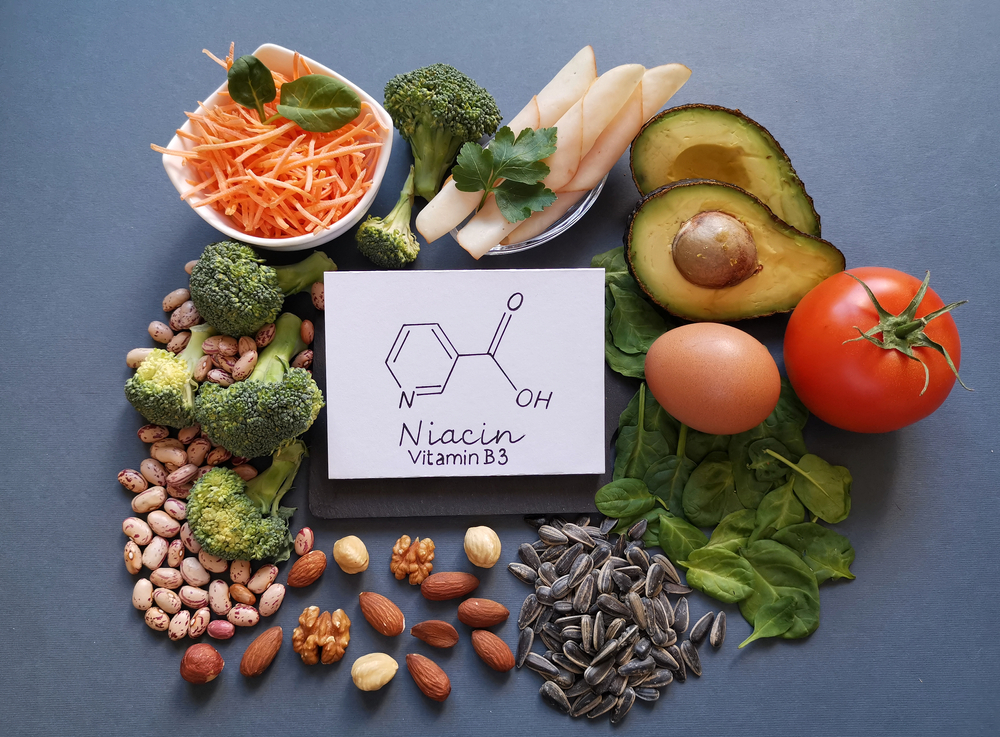
A randomized placebo-controlled clinical trial published in Advanced Science found that nine days of daily supplementation with nicotinamide (vitamin B3, 714 mg) and pyridoxine (vitamin B6, 19 mg) significantly boosted muscle stem cell activity and accelerated muscle fiber regeneration in healthy young men after high-intensity exercise-induced muscle damage.
The numbers from this trial are hard to ignore:
- 29% increase in stem cells per damaged muscle fiber
- 67% increase in MyoD+ cells (actively differentiating stem cells)
- 34% increase in myogenin+ cells (the final stage before new muscle fiber formation)
- 37% increase in the proportion of regenerating fibers overall
Those are meaningful effect sizes from two well-understood, widely available, cost-effective vitamins. No exotic botanicals. No novel drug candidates. Just B3 and B6, dosed correctly, timed strategically, and backed by muscle biopsy data from 39 completers in a rigorous trial design.
For supplement brands operating in sports nutrition, active recovery, or healthy aging, this study opens a real formulation opportunity. The kind of opportunity where the science is clean, the ingredients are accessible, and the consumer story writes itself.
Why This Study Matters More Than the Usual “Vitamin Helps Muscles” Headline
Let’s be honest: nutrition research gets overhyped on a regular basis. A cell study in a petri dish gets turned into a front-page health claim before anyone bothers to run a human trial. That cycle has trained a lot of people (rightfully) to be skeptical.
This study is different in a few important ways.
First, these are human data. The 43 healthy men recruited (ages 18 to 49) underwent a controlled protocol combining neuromuscular electrical stimulation (NMES) with forced lengthening contractions. That combination reliably induces muscle fiber damage followed by a measurable regeneration sequence. The researchers then took actual muscle biopsies to track stem cell populations and fiber repair stages. This was not a questionnaire-based study or a self-reported soreness scale.
Second, the mechanism is specific. Nicotinamide feeds into NAD+ biosynthesis, which is a central regulator of cellular energy and repair processes. Pyridoxine supports amino acid metabolism and is involved in over 100 enzymatic reactions relevant to protein turnover. Together, they appear to create conditions where muscle stem cells (called satellite cells or MuSCs) proliferate faster and differentiate more completely after damage. The study tracked this across multiple myogenesis stages, from activation through terminal differentiation.
Third, and this is the part that should get your attention as a brand owner: the dosing is practical. We are talking about 714 mg of nicotinamide and 19 mg of pyridoxine per day. Those are doses that fit comfortably into a gummy, a tincture, or a ready-to-drink recovery beverage. You do not need a horse pill or a complicated delivery system.
Independent expert take: David Church, PhD, director of the Center for Translational Research in Aging and Longevity at the University of Arkansas for Medical Sciences, called the combination protocol “noteworthy” and said the data establish that nicotinamide and pyridoxine “actively drive muscle stem cell amplification and accelerate fiber repair.” He described strategic micronutrition as a “potent tool for muscle repair following muscle damaging exercise.”
The researchers themselves pointed out that the implications go beyond the gym. Sarcopenia (the age-related loss of muscle mass, strength, and function) is partly characterized by a decline in muscle stem cell number and activity. A targeted B3+B6 approach could eventually play a role in healthy aging formulations, not just post-workout recovery products.
That dual market angle (active lifestyle plus healthy aging) is exactly the kind of positioning that gives a single ingredient combination real staying power on a product roadmap.
How to Put B3 + B6 Muscle Recovery on Your Product Roadmap
If you already have a sports nutrition or active recovery line, adding a B3+B6 muscle repair SKU is about as clean a product development opportunity as you will find this year. The ingredients are well-characterized, stable in multiple formats, and carry strong consumer recognition as part of the B-vitamin family.
Here are the format angles worth thinking about:
Recovery gummies. A targeted post-workout gummy with nicotinamide and pyridoxine at clinical doses, combined with complementary actives like tart cherry extract or magnesium. Gummies are already the fastest-growing supplement format for a reason: compliance is high because people actually enjoy taking them. A two-gummy serving delivering the study’s B3+B6 doses is entirely achievable in a pectin-based formula.
Tinctures and liquid shots. For brands targeting the performance crowd, a concentrated liquid format can deliver the full B3+B6 combination in a single dose with rapid absorption. A flavored tincture positioned as a post-training recovery drop could sit nicely alongside existing protein and creatine products in a consumer’s routine.
Ready-to-drink recovery beverages. The functional beverage market continues to expand, and a B3+B6 infused recovery drink with electrolytes and amino acids would tell a strong story. Consumers are already conditioned to reach for a drink after a workout. Giving that drink a clinically supported muscle regeneration angle adds differentiation in a crowded cooler.
Topicals with a systemic companion. For brands in the topical relief space (muscle gels, cooling creams), pairing an external recovery product with an ingestible B3+B6 supplement creates a “recovery system” bundle. Topicals address surface-level relief while the oral supplement supports the deeper cellular repair process. That kind of inside-outside positioning resonates with consumers who take recovery seriously.
The research behind this is still early (one well-designed human trial), so brands should be thoughtful about the claims they make. Structure/function claims around supporting muscle recovery and normal muscle repair processes are well within reach. The key is to let the science speak clearly without overstepping.
Ready to Formulate a B3 + B6 Recovery Product?
OSM specializes in custom gummy, tincture, beverage, and topical formulations with low MOQs and fast turnaround. Let’s talk about building your next SKU.
Start a ConversationSource: Højfeldt, G., et al. “Nicotinamide and Pyridoxine Supplementation Enhances Muscle Stem Cell Activity and Muscle Regeneration in Humans: A Randomized Placebo-Controlled Clinical Trial of High Force Eccentric Contraction Recovery in Healthy Young Men.” Advanced Science, 2025. doi: 10.1002/advs.202518471
This article is for informational purposes only and does not constitute medical advice. Supplement brands should consult regulatory counsel regarding product claims. Organic Supplement Manufacturing (OSM) is a contract manufacturer of dietary supplements, gummies, tinctures, beverages, and topicals operating from a USDA Organic certified, FDA-registered, third-party GMP certified facility in Plain, Wisconsin.