
OSM Industry Intel • Spring 2026
Muscle Is Not Just for Lifting. It Is an Endocrine Organ, and That Changes the Whole Supplement Pitch.
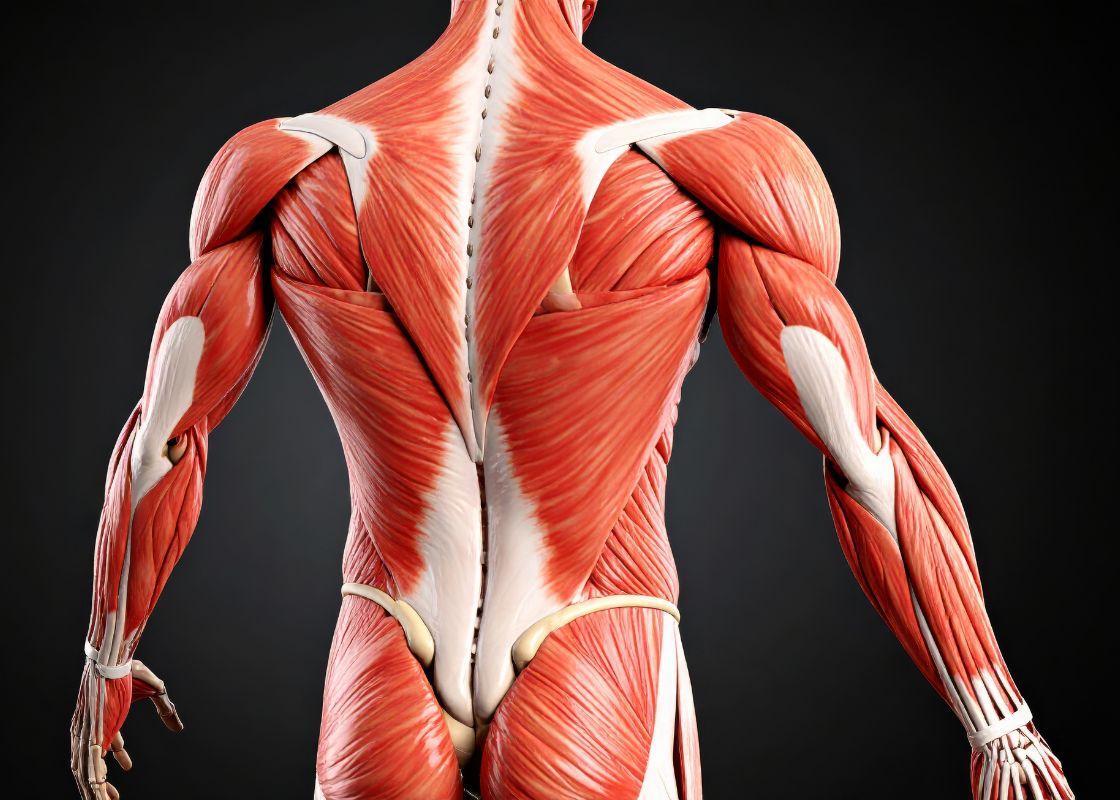
A comprehensive June 2026 review reframes skeletal muscle as a context-sensitive signaling organ that pumps out chemical messengers called myokines, talking directly to the liver, bone, brain, and fat. The opportunity for brands is a shift from muscle building to whole-body crosstalk.
For about as long as the supplement industry has existed, skeletal muscle has been sold on physics. Size, strength, power, performance. Bigger biceps, faster recovery, more reps. It is a simple, durable story, and it has moved an enormous amount of protein powder and creatine over the decades.
A new review suggests we have been selling muscle short this entire time.
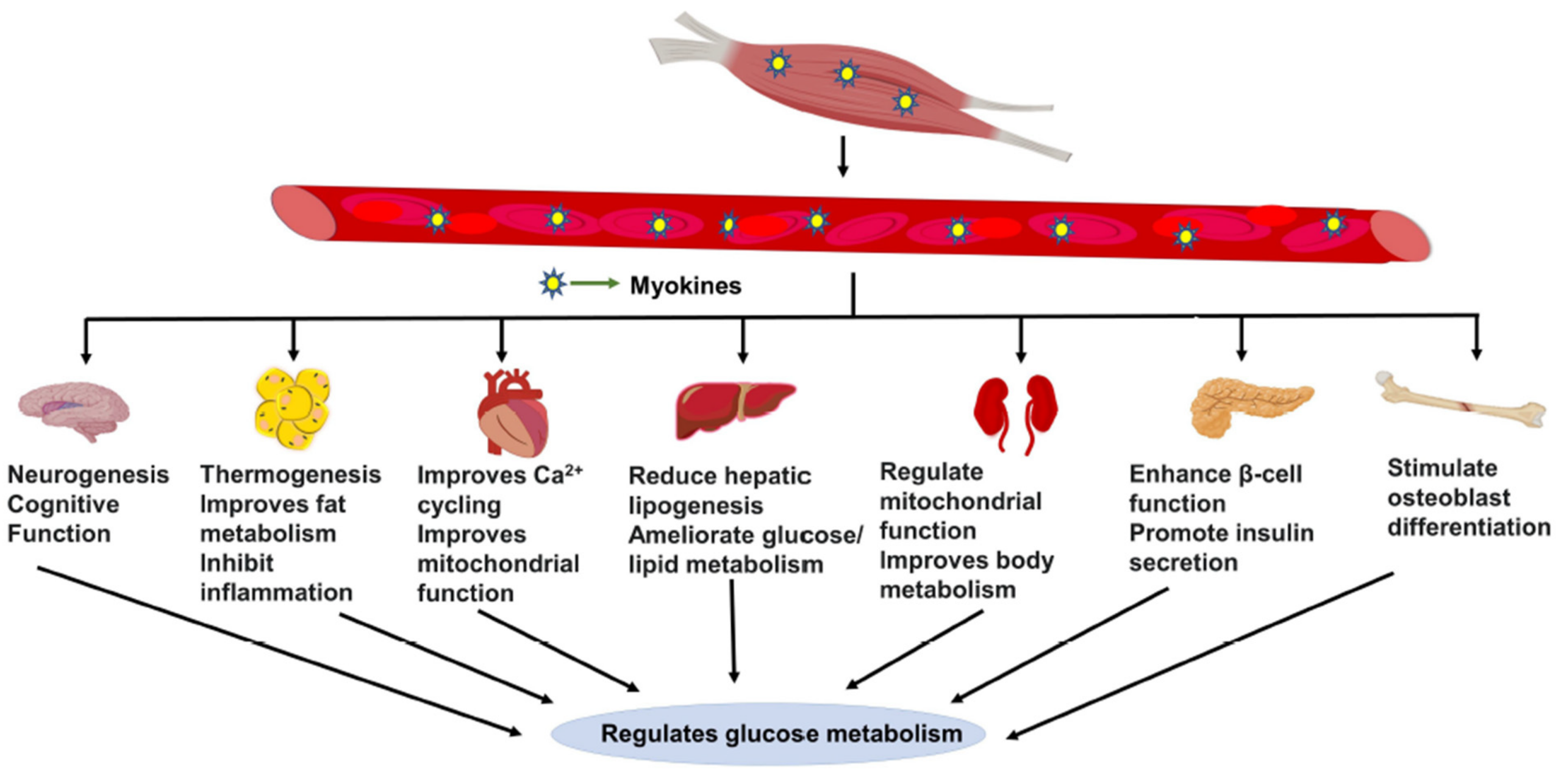
A comprehensive June 2026 review proposes a framework it calls the “myokine adaptome,” and the underlying idea is genuinely category-shifting. Skeletal muscle is not just a motor. It is a secretory organ. When muscle contracts, it releases a custom cocktail of signaling proteins called myokines (a subset of the broader category called exerkines) that travel through the bloodstream and talk to distant organs. They influence glucose and lipid metabolism in the liver, help regulate bone remodeling, modulate immune function and inflammation, and have been linked to neuroplasticity in the brain.
In other words, every time your customer trains, their muscle is functioning as a chemical broadcast station, sending adaptive signals to nearly every system in the body. Muscle preservation stops being a vanity goal and starts looking like a master switch for full-body health, metabolic resilience, and healthy aging.
That is a powerful reframe for a sports nutrition or longevity brand. But this is also a framework that demands real discipline, because the science here is early and the review itself is unusually cautious about overclaiming. Let us walk through what it actually says, and how to build on it without getting ahead of the evidence.
Here is the breakdown: what myokines are, what the crosstalk actually does, and where the product opportunity lives for 2026.
What the Review Actually Says
The core argument is that skeletal muscle should be understood as a signal-processing organ. When you contract a muscle, you are not just generating force. You are creating a complex cellular disturbance: ATP gets burned, calcium floods in, the energy sensor AMPK fires, mechanical tension strains the tissue, and the redox and inflammatory state shifts. The muscle integrates all of those inputs and translates them into a coordinated release of signaling molecules. Different types of exercise produce different signaling cocktails, which is part of what makes this so interesting.
The Major Myokines Worth Knowing
The review catalogs the key players, and a few are worth understanding because they anchor the whole muscle-as-endocrine-organ story. IL-6 is the prototype myokine. Released by contracting muscle, an acute pulse of it helps mobilize fuel, supports glucose balance, and triggers anti-inflammatory cascades. (The same molecule chronically elevated from fat tissue does the opposite, which is a theme we will come back to.) Irisin, produced through the PGC-1α/FNDC5 pathway, has been linked to the browning of white fat, bone effects, and possible neuroplasticity. Myostatin is the brake on muscle growth, and its counter-regulators follistatin and decorin push the other way. BDNF and cathepsin B connect muscle activity to memory and brain function. FGF21 and myonectin tie muscle to liver and fat metabolism.
The Crosstalk Axes
Where this becomes a whole-body story is in what the review calls muscle-organ crosstalk. The muscle-liver axis influences how the body handles glucose and lipids. The muscle-adipose axis links contraction to fat metabolism, thermogenesis, and insulin sensitivity. The muscle-bone unit combines mechanical loading with endocrine signals that affect bone remodeling, which is why muscle loss and bone fragility so often travel together in aging. And the muscle-brain axis ties exercise to cognition and mood through neurotrophic signaling. The headline concept is that muscle is in constant chemical conversation with the organs that matter most for healthy aging.
THE FORMULATOR’S TAKE
The single most important insight in this review for a brand is the “adaptome” idea itself: the benefit is not about cranking any one myokine as high as possible. It is about a healthy, well-timed, well-resolved signaling pattern that target organs can actually decode. The review explicitly warns against simplistic “myokine-boosting” claims. That sounds like a constraint, but it is actually a gift. It means the credible product story is not “spike your irisin,” it is “preserve and support the muscle tissue that does the signaling in the first place.” That reframes muscle preservation, protein adequacy, and training support as the foundation of whole-body health, which is a much stronger and safer position than chasing a single molecule.
Why This Matters More As We Age
The review makes a compelling case that disease and aging do not just reduce myokine output, they distort the entire communication system. In a healthy, trained person, exercise produces clean, transient, well-resolved signaling pulses. In aging, obesity, insulin resistance, or chronic inflammation, the same workout may produce a blunted, chronically elevated, or compositionally garbled signal, and the target organs may have lost the ability to decode it properly. This is the muscle science behind why sarcopenia (age-related muscle loss) is so closely tied to metabolic disease, frailty, and bone loss. Losing muscle is not just losing strength. It is losing a signaling organ.
The Caveats Worth Knowing
Now the honest part, and it matters here more than usual. This is a narrative review, and it is explicitly labeled as not yet peer-reviewed. It synthesizes existing evidence into a framework rather than presenting new clinical trials. The review is admirably careful about its own limits: it notes that many circulating exercise-responsive molecules are not exclusively muscle-derived (they can come from liver, fat, or immune cells), that assay reliability for some myokines like irisin has been historically shaky, and that a rise in a molecule after exercise does not prove it is doing something therapeutic. The authors repeatedly caution against reducing the benefits of exercise to a single molecule or treating any myokine as a drug. For a brand, the takeaway is that the muscle-as-endocrine-organ concept is scientifically exciting and directionally well-supported, but it is a foundation for education and positioning, not a license for mechanistic disease claims.
Where Muscle-Organ Crosstalk Fits in the 2026 Product Roadmap
Here is the strategic opportunity in one sentence: the myokine science gives sports nutrition and longevity brands permission to sell muscle preservation as whole-body health rather than just aesthetics or performance. That dramatically widens the addressable market. A muscle-support product is no longer just for gym-goers and athletes. It becomes relevant to anyone over 40 thinking about metabolic health, bone strength, cognitive longevity, and healthy aging. That is one of the largest and most motivated consumer segments in the entire supplement market.
Here is where the opportunity is for brands working with a contract manufacturer.
Format 1: Muscle Preservation for Healthy Aging
This is the flagship play. Reposition muscle support away from the 25-year-old bodybuilder and toward the 50-plus consumer who wants to stay metabolically resilient, cognitively sharp, and physically independent. A formula built around high-quality protein, leucine or HMB for the anabolic trigger, vitamin D, and creatine has strong evidence behind it for muscle preservation, and the myokine framing lets you tell a whole-body story around it. The positioning writes itself: support the muscle that supports everything else.
Format 2: Precursor and Co-Factor Stacks
Rather than chasing a single myokine (which the science explicitly warns against), the smarter play is to supply the nutritional precursors and co-factors that healthy muscle signaling depends on. Think of the building blocks: complete protein and essential amino acids for the anabolic substrate, plus the B vitamins that sit at the heart of energy metabolism in working muscle. We covered the recovery angle on a couple of those in our piece on why B3 and B6 just got more interesting for muscle recovery supplements. This is a defensible, science-aligned approach that supports the system rather than overclaiming a single molecule.
Format 3: The Muscle-Bone Stack
The muscle-bone unit from the review is a ready-made product concept. Because muscle loss and bone fragility develop in parallel and share signaling pathways, a combination product targeting both simultaneously makes biological sense. Pair muscle-supporting ingredients with bone-supporting nutrients like vitamin D, vitamin K2, calcium, and magnesium, and you have a healthy aging SKU aimed squarely at the osteosarcopenia concern that worries aging consumers. This is a differentiated angle that very few brands are currently telling well.
Format 4: The Muscle-Brain Longevity Angle
The muscle-brain axis (BDNF, cathepsin B, irisin-linked cognitive signaling) supports a fresh and compelling narrative for the cognitive longevity category. A product that connects physical training and muscle health to brain wellness taps into two of the biggest demand drivers simultaneously. The honest framing is that exercise and muscle health support cognitive function, and your product supports the muscle and the training. That is credible structure-function territory and a genuinely novel hook in the crowded brain-health space.
Format 5: Convenient Formats for Compliance
Muscle preservation only works if people actually take the product consistently, especially older consumers who may struggle with large protein shakes or handfuls of pills. This is where format innovation matters: great-tasting protein gummies, functional chews, ready-to-mix powders, and easy daily formats drive the adherence that makes any muscle-support product effective. The technical execution on these formats is non-trivial, and the broader shifts in gummy production are worth understanding, which we covered in our breakdown of the four key imperatives for gummy manufacturers in 2026. For premium bioavailability angles on fat-soluble co-factors like vitamin D and K2, our guide to liposomal supplement technology is a useful reference.
Claims and Compliance Reality Check
The myokine story is exciting enough that it is worth stating the line clearly. You can talk about supporting muscle health, supporting muscle preservation, supporting healthy metabolism, supporting bone health, and supporting the benefits of exercise and an active lifestyle, all within structure-function territory at appropriate doses. What you cannot do is claim your product boosts specific myokines as a therapeutic mechanism, treats sarcopenia or any disease, or replaces exercise. The review is emphatic that the benefits come from the whole adaptive system, not from spiking a single molecule, so a brand that overclaims a specific myokine is both scientifically wrong and legally exposed. Keep the mechanism in your education content. AI-driven monitoring is surfacing claim violations faster than ever, which we got into in our analysis of how AI is changing supplement discovery. Build conservatively and let the muscle-as-foundation story do the work.
The Bottom Line
For decades the industry sold muscle as a mirror goal. The myokine science reframes it as a metabolic and endocrine organ that helps run the liver, bone, brain, and immune system, which turns muscle preservation into one of the most compelling whole-body health stories in the entire supplement market. The framework is early and demands an honest hand on claims, but the strategic direction is clear: brands that shift from “build muscle” to “support the organ that supports everything” are positioned for the healthy aging wave that is defining the category in 2026. Muscle is the foundation. Build the catalog on it.
Ready to Build?
Build a muscle-as-foundation healthy aging line with a USDA Organic and GMP-certified manufacturer.
Organic Supplement Manufacturing handles formulation, sourcing, manufacturing, and fulfillment for protein powders, gummies, chews, capsules, and longevity stacks. Low MOQs, full-service support, and a team that builds the claim architecture before the label gets printed.
Start a Conversation →Source: Mănescu DC, Plastoi CD, Pîrvan A, Dîrnu R, Floroiu EA, Popescu A. The Myokine Adaptome in Health and Disease: Exercise-Induced Cellular Signaling, Muscle-Organ Crosstalk, and Therapeutic Plasticity. Preprints.org. 2026 (not peer-reviewed); doi:10.20944/preprints202606.1002.v1. Read the review.
Disclaimer: This article is intended for supplement brand and contract manufacturing audiences for informational and educational purposes only. It is not intended as medical advice. The source is a narrative review that has not yet completed peer review, and it synthesizes existing evidence rather than presenting new clinical trials. Statements regarding dietary supplements have not been evaluated by the FDA and are not intended to diagnose, treat, cure, or prevent any disease.