
OSM Industry Intel • Spring 2026
Liposomal Glutathione Just Crushed Plain Glutathione in a Head-to-Head Study. Here Is What Brands Should Do About It.
A new study in the British Journal of Nutrition shows liposomal glutathione delivered 6x higher plasma concentration, nearly 2x cellular uptake, and 100% wound-healing closure versus 59.8% for the plain form. The data is now sitting in front of the bioavailability debate.
Glutathione is one of those ingredients that has been around supplements forever, and yet the formulators arguing about it never quite seem to stop arguing. One camp says oral glutathione works fine, take a few hundred milligrams, end of conversation. The other camp says oral glutathione gets shredded in the gut before it ever makes it to a cell, and anyone selling regular oral capsules is basically selling expensive amino acids.
Both camps have been waiting for cleaner head-to-head human and cellular data. They just got it.
A peer-reviewed study published in the British Journal of Nutrition compared liposomal glutathione against conventional glutathione across cellular uptake, cell proliferation, wound healing, and human pharmacokinetics. The liposomal form did not just win on one endpoint. It won on every one of them, with margins that are hard to argue with.
For supplement brands that have been sitting on the fence about whether to invest in a liposomal SKU, this is the kind of data that ends the debate. For contract manufacturers, it raises the obvious question: are your formulators capable of producing a real liposomal product, or are they selling a glorified emulsion in a fancy bottle?
Here is what the study actually found, why the gap between liposomal and plain glutathione is so wide, and where this fits into the 2026 supplement category roadmap.
What the Study Actually Found
The research evaluated a proprietary liposomal glutathione formulation against conventional plain glutathione across four endpoints: cellular uptake in human embryonic kidney 293T cells, cell proliferation, wound-healing closure assays, and pharmacokinetics in human subjects. Each of these endpoints answers a different question. Together they paint a fairly complete picture of why liposomal delivery is not just marketing language.
Cellular Uptake: Roughly 2x the Delivery

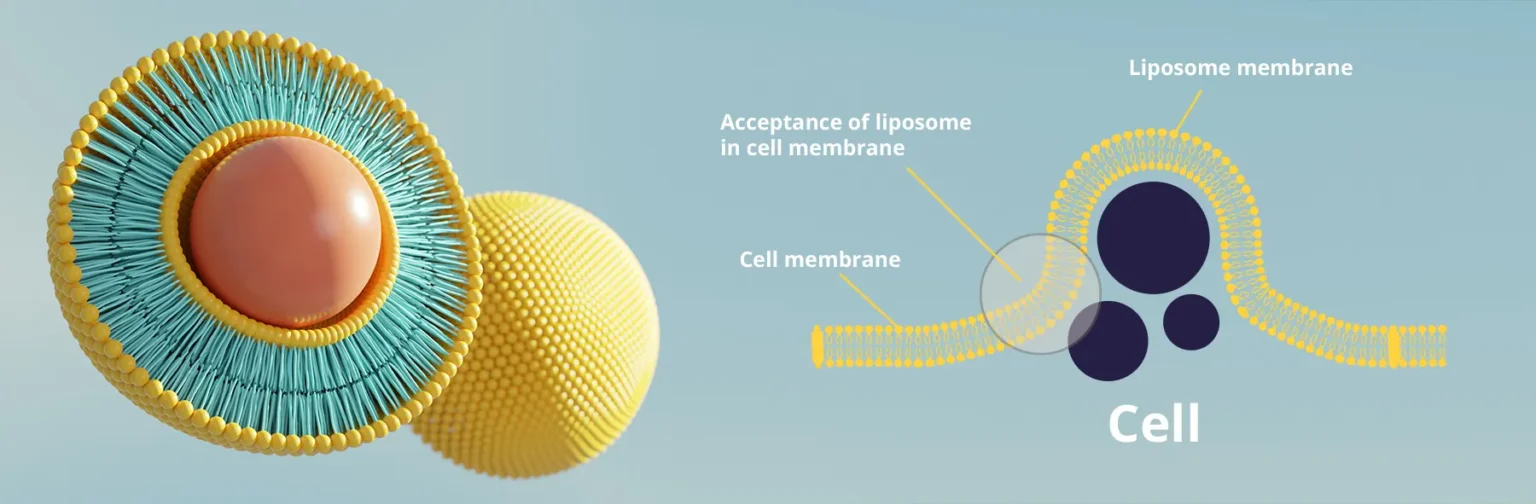
The liposomal formulation showed approximately 1.9-fold higher cellular uptake than plain glutathione, peaking at six hours with 45% uptake versus 23% for the plain form. This is the foundational result. Glutathione that does not actually enter the cell cannot perform its job (which is intracellular redox balance and detoxification). Standard oral glutathione struggles to cross the cell membrane because it is a tripeptide that gets enzymatically degraded and poorly absorbed through passive diffusion. The liposomal phospholipid bilayer fuses with the cell membrane and delivers the active intracellularly. The cellular uptake numbers reflect exactly that mechanism.
Cell Proliferation: Up to 3x Over Control
Cells treated with the liposomal formulation showed up to a 3-fold increase in cell proliferation over control, outperforming plain glutathione. This matters because proliferation is a downstream functional outcome, not just a measurement of how much glutathione got into the cell. The liposomal group’s cells were not just absorbing the molecule. They were using it to do measurable biological work.
Wound Healing: 100% Closure vs. 59.8%
In wound-healing assays, the liposomal group achieved 100% closure at 24 hours. The plain glutathione group hit 59.8%. That is the kind of gap that makes you go back and double-check the methods section. Wound healing in a cellular assay is functionally a regeneration and migration measurement, and it correlates directly with the glutathione-dependent pathways that govern oxidative stress recovery and cellular repair. This is the result that opens up positioning angles around skin health, recovery, and regenerative wellness.
Pharmacokinetics: 6x Plasma Concentration in Humans
This is the headline number that the cellular results were building toward. In human subjects, the liposomal formulation reached a maximum plasma concentration of approximately 1,800 ng/mL, which is six times higher than the plain form. The absorption profile was bimodal (two distinct peaks rather than one), and plasma glutathione levels stayed above 500 ng/mL at 24 hours, indicating prolonged systemic retention rather than the rapid spike-and-clear pattern you see with most water-soluble compounds.
THE FORMULATOR’S TAKE
The bimodal absorption pattern is the part most brand teams will miss. It means liposomal glutathione is being absorbed through two distinct pathways (likely a combination of intestinal lymphatic uptake and direct enterocyte absorption), which is exactly why the plasma levels stay elevated so much longer than a standard oral form. From a label-claim standpoint, this is the difference between a once-daily product and a three-times-daily product. From a consumer experience standpoint, it is the difference between a product that “works” and one that does not.
Why Plain Glutathione Falls Short
Glutathione is a tripeptide composed of glutamate, cysteine, and glycine. Two problems with delivering it orally: it gets hydrolyzed by gamma-glutamyl transferase and other peptidases in the gut, and the intact molecule has poor membrane permeability even when it does reach circulation. The net result is that a meaningful fraction of conventional oral glutathione ends up being effectively a precursor delivery system. The body uses the freed amino acids to synthesize new glutathione intracellularly, which is fine, but it is not the same thing as delivering intact glutathione to where it needs to work.
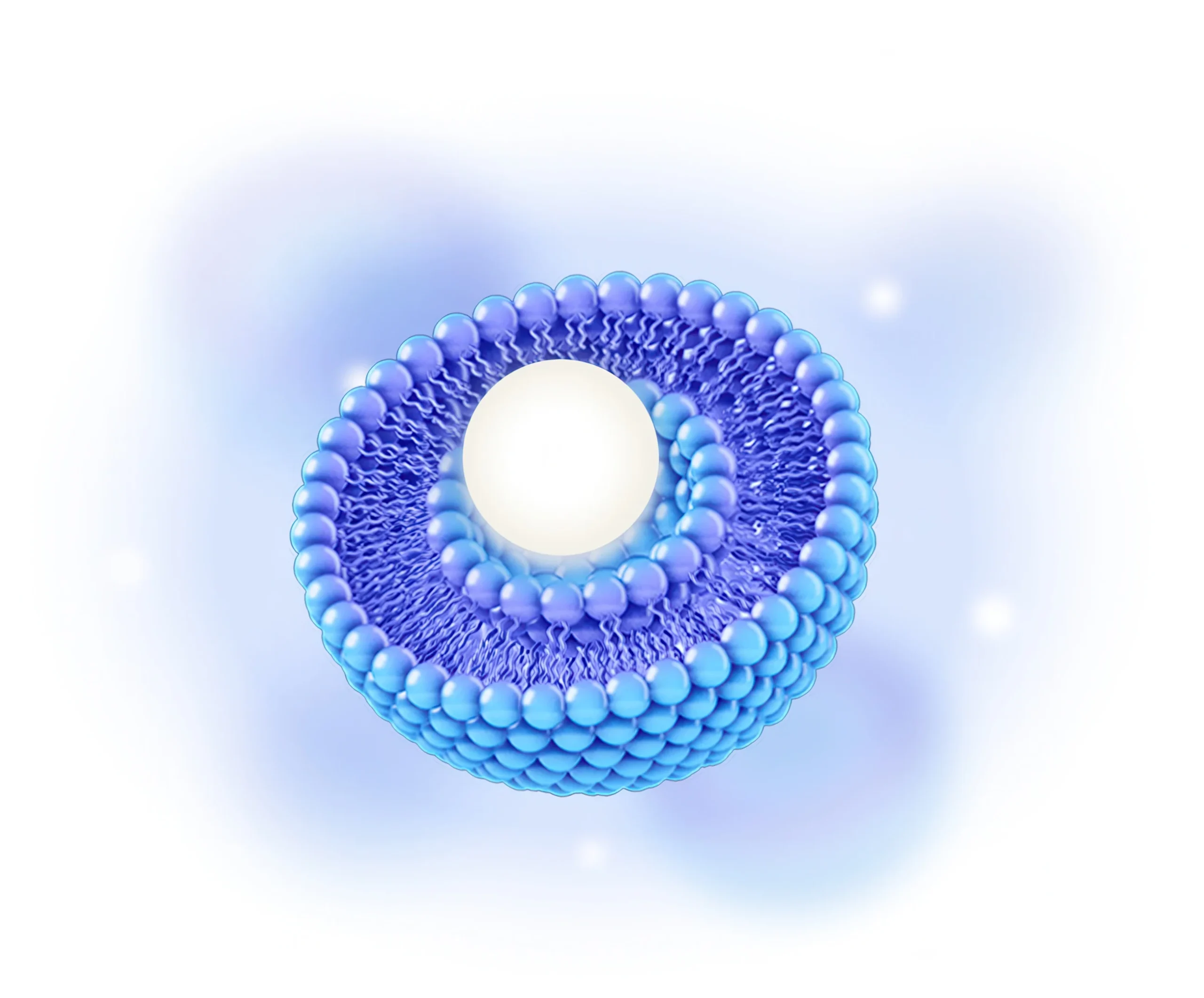
Liposomal encapsulation solves both problems at once. The phospholipid bilayer shields the molecule through gastric and intestinal degradation, and once the liposome reaches the cell, the bilayer fuses with the membrane and releases the intact glutathione directly into the cytoplasm. This is a delivery mechanism, not a marketing gimmick, and the study quantifies exactly how much that mechanism matters in practice. For a deeper dive on the underlying technology, we covered the mechanics of liposomal delivery in our breakdown of how liposomal supplements work and where they fit in your product line.
The Caveats Worth Knowing
The cellular work was done in HEK293T cells, which is a standard research line but not a perfect proxy for every tissue type. The human pharmacokinetic data measures plasma glutathione, which correlates with but is not identical to intracellular glutathione in target tissues. And the study evaluated a specific proprietary liposomal formulation, which is to say “liposomal” is not a single thing. The quality, particle size, and stability of a liposomal product depend heavily on how it is manufactured. Two products that both put the word “liposomal” on the label can have wildly different bioavailability profiles. This is one of the reasons formulation expertise matters more in this category than almost any other.
Where Liposomal Glutathione Fits in the 2026 Product Roadmap
Glutathione has been a steady seller in the supplement category for two decades, but the conversation has shifted noticeably over the past 18 months. Search interest for “liposomal” as a delivery modifier is up significantly, premium-positioned brands are building entire SKU lines around bioavailability, and consumer education on the topic is finally catching up to where formulators have been for years. The new clinical data is going to accelerate this shift, not stall it.
Here is where the opportunity is for brands working with a contract manufacturer.
Format 1: Premium Liposomal Glutathione Tinctures
The tincture format is the most natural home for liposomal glutathione. Sublingual and buccal absorption pathways stack with the liposomal delivery mechanism to maximize systemic uptake, and the dropper format gives brands flexibility on dosing without committing to a fixed serving size on every product variant. Pricing-wise, liposomal tinctures can command a 2x to 4x premium over conventional capsule glutathione, which gives brands real margin headroom to invest in education and brand-building. This is the SKU that should anchor the line.
Format 2: Liposomal Glutathione + Vitamin C Combinations
Vitamin C recycles oxidized glutathione back into its active reduced form, which means a combination product is mechanistically more interesting than either ingredient alone. This is the kind of formulation that lets a brand tell a real biochemistry story on the back panel without crossing into structure-function violations. Add a liposomal vitamin C alongside the liposomal glutathione and you have a premium antioxidant stack that is genuinely differentiated from the dozens of plain-old vitamin C and glutathione products already on the shelf.
Format 3: Recovery and Athletic Performance SKUs
The wound-healing and cell proliferation data opens up positioning around physical recovery that conventional glutathione products have never been able to credibly claim. A liposomal glutathione product targeted at the active adult demographic (training hard, recovering slowly, looking for an antioxidant edge that is not just another marine collagen) has real category-creation potential. This pairs naturally with B-vitamin recovery formulations, which we covered in our piece on why B3 and B6 just got a lot more interesting for muscle recovery supplements.
Format 4: Beauty and Skin Health Positioning
The 100% wound closure result in cellular assays is going to be a major driver of beauty-category positioning whether brands are ready for it or not. Glutathione already has a long history in skin health markets globally, and the cellular regeneration data gives premium beauty supplement brands a fresh story to tell. A liposomal glutathione product positioned for skin clarity, collagen synthesis support, or post-procedure recovery would land squarely in the ingestible beauty category that has been one of the fastest-growing supplement segments three years running.
Format 5: Liposomal Glutathione Gummies (With a Caveat)
Gummy formats are the obvious next question, and the honest answer is that liposomal stability in a gummy matrix is harder than it looks. The pectin or gelatin base, water activity, and processing temperatures all affect liposome integrity. It is doable, but it requires a manufacturer who has actually solved this problem at scale rather than one who is willing to sell you a product called a liposomal gummy that does not deliver liposomal performance. If you are exploring gummies in this category, vet your manufacturer carefully. We covered some of the structural shifts coming to gummy production in our breakdown of the four key imperatives for gummy manufacturers in 2026.
Claims and Compliance Reality Check
The temptation with data this clean is to lean hard into the comparative numbers on the label and in marketing copy. Resist that temptation, or at least vet every claim through regulatory counsel before it goes live. Claims like “supports cellular antioxidant defense,” “supports the body’s natural detoxification pathways,” and “supports skin health and recovery” are defensible structure-function territory. Direct disease-treatment claims, claims about treating oxidative stress as a medical condition, or comparative claims that imply the liposomal form treats anything the plain form does not are going to attract FDA attention quickly. AI-driven monitoring is also making compliance violations easier to surface than ever, which we got into in our analysis of how AI is changing supplement discovery and what brands need to know. Build your label conservatively, let the bioavailability story do the lifting, and keep the comparative pharmacokinetic data in your education content rather than on the principal display panel.
The Bottom Line
Liposomal glutathione has been positioned as the premium delivery option in the glutathione category for years, but the supporting clinical evidence has lagged the marketing. This study closes that gap. The cellular data, the pharmacokinetic data, and the functional regeneration data all point in the same direction, and they justify the price premium that liposomal products command. For brands building or expanding an antioxidant, detox, or beauty supplement line in 2026, liposomal glutathione is no longer the speculative play. It is the lead ingredient.
Ready to Build?
Launch a liposomal glutathione product with a USDA Organic and GMP-certified manufacturer that actually understands the chemistry.
Organic Supplement Manufacturing handles formulation, sourcing, manufacturing, and fulfillment for liposomal tinctures, capsules, gummies, beverages, and topicals. Low MOQs, full-service support, and a team that vets the ingredient science before the label gets printed.
Start a Conversation →Source: Liposomal glutathione outperforms plain glutathione in uptake, cell regeneration and systemic availability: evidence from cellular and human models. British Journal of Nutrition. Read the study on Cambridge Core.
Disclaimer: This article is intended for supplement brand and contract manufacturing audiences for informational and educational purposes only. It is not intended as medical advice, and the findings discussed reflect a specific proprietary formulation tested in cellular and human models. Statements regarding dietary supplements have not been evaluated by the FDA and are not intended to diagnose, treat, cure, or prevent any disease.