
OSM Industry Intel • Spring 2026
Your Customers’ Mouthwash Might Be Raising Their Blood Pressure. That Is a Supplement Opportunity.
A review in the Journal of Dental Research lays out how bacteria on the back of the tongue convert dietary nitrate into the raw material for nitric oxide, and how killing those bacteria removes up to a quarter of the body’s circulating nitrite. Here is the product angle.
Most people think of the mouth as the start of the digestive tract and nothing more. Formulators should start thinking of it as a chemical reactor that helps regulate blood pressure, because that is closer to what the science actually says.
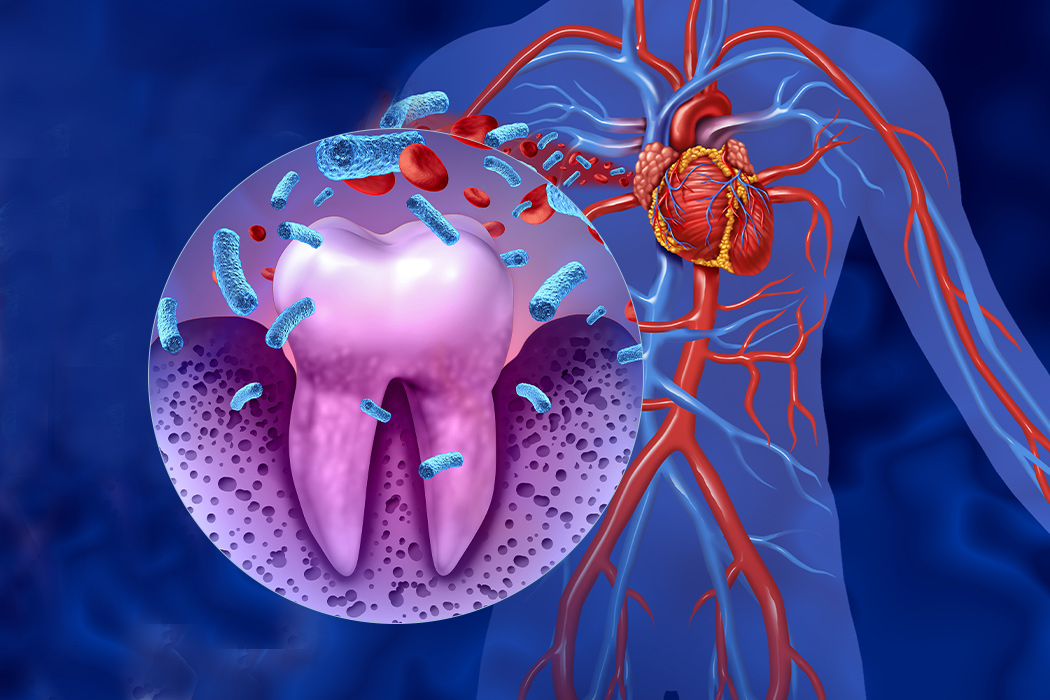
Here is the part that should grab you. There is a specific community of bacteria living on the back of the tongue whose job, as far as your cardiovascular system is concerned, is to convert dietary nitrate from leafy greens and beets into nitrite. Your body then turns that nitrite into nitric oxide, the signaling molecule that relaxes blood vessels, lowers blood pressure, and keeps the lining of your arteries healthy. No bacteria, no conversion. It is a genuine symbiosis between a human being and the microbes living in their mouth.
Now here is the kicker. A review in the Journal of Dental Research pulls together the evidence that antiseptic mouthwash wipes out this bacterial community, and that doing so removes up to 25% of the nitrite circulating in the bloodstream. Longitudinal data on more than a thousand adults found that routine twice-daily mouthwash use was associated with increased risk for prediabetes, diabetes, and hypertension over a three-year period.
Millions of people are gargling away a chunk of their nitric oxide production every single morning without any idea they are doing it. For a supplement brand, that is not a tragedy. That is a category waiting to be built.
Here is how the biology works, why it opens up a real product opportunity, and where an oral-targeted nitrate or prebiotic line fits into the 2026 roadmap.
How the Mouth Became a Blood Pressure Regulator
The body makes nitric oxide in two ways. The first is the well-known route: an enzyme called nitric oxide synthase produces it directly inside your cells, and this accounts for the majority of circulating nitrite. The second route is the interesting one for supplement brands, because it runs through the mouth and depends on bacteria.
This second route is called the enterosalivary nitrate pathway, and it works like a relay. Dietary nitrate from leafy greens and beetroot gets absorbed, concentrated into the salivary glands, and secreted back into the mouth. There, commensal bacteria reduce the nitrate into nitrite. You swallow that nitrite, and in the acidic and low-oxygen conditions of the stomach and tissues it gets converted into nitric oxide. The nitrate-nitrite-nitric oxide pathway, as it is called, is one of the cleaner examples of the human body outsourcing a critical chemical step to its microbiome.
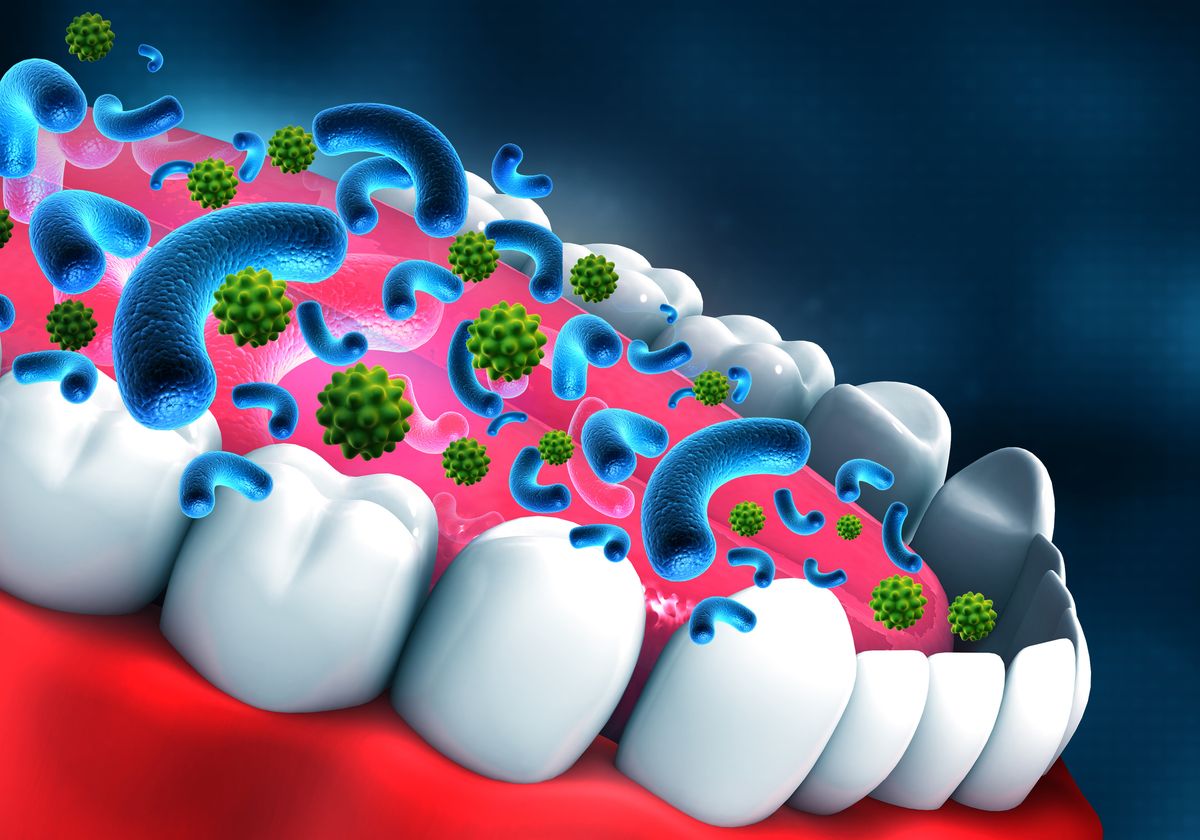
The bacteria doing this work live primarily on the posterior of the tongue, where conditions are right for nitrate reduction. The genera involved include Neisseria, Haemophilus, Veillonella, Prevotella, Rothia, and others. Disrupt that population and you disrupt the relay. The review notes that when the oral microbiome is knocked out with antibacterial mouthwash, the contribution of this pathway to serum nitrite (which can be up to 25%) drops accordingly.
Not All Nitrate-Reducing Bacteria Are Equal
This is where the review gets genuinely sophisticated, and where the formulation opportunity gets more interesting than just “eat more beets.” The bacteria do not all do the same thing with nitrate. There are two competing pathways.
The first is denitrification, which runs nitrate through nitrite to nitric oxide. The nitric oxide produced this way can be oxidized back into nitrite in the saliva, which feeds the beneficial pathway and supports systemic nitric oxide levels. Bacteria like Neisseria favor this route, and they are consistently associated with better cardiometabolic health, better cognitive outcomes, and better oral health.
The second pathway is called DNRA (dissimilatory nitrate reduction to ammonium), and it shunts nitrite into ammonium instead, which is a dead end as far as nitric oxide is concerned. Bacteria like Prevotella and Veillonella favor this route, and they are associated with lower nitric oxide levels, poorer cardiometabolic health, and more periodontal inflammation. So the same dietary nitrate can end up helping or doing nothing, depending on which bacterial pathway wins.
THE FORMULATOR’S TAKE
The competition between these two pathways is driven by the oral environment, and the environment is modifiable. The review describes how factors like the carbon-to-nitrate ratio (think sugar intake versus nitrate intake), oxygen availability, and pH tilt the balance. A low-sugar diet rich in nitrate, plus good plaque control and tongue cleaning, favors the beneficial nitric-oxide-producing pathway. A high-sugar diet with poor oral hygiene favors the dead-end ammonium pathway. That means a product is not just delivering a substrate. It can be designed to shift an entire microbial ecosystem toward the cardiovascular-friendly pathway.
The Mouthwash Evidence
The clinical signal on antiseptic mouthwash is more developed than most people realize. Chlorhexidine mouthwash used for up to seven days lowered oral nitrate reduction by around 90% and cut plasma nitrite by up to 25%, with a small but significant rise in both systolic and diastolic blood pressure in healthy volunteers. Several small trials found that antibacterial mouthwash erased the blood-pressure benefits of dietary nitrate supplementation, blunted post-exercise blood pressure recovery, and interfered with insulin sensitivity.
The longitudinal data is the part that should make brands pay attention. In a study of over a thousand overweight adults, routine twice-daily or more frequent over-the-counter mouthwash use was associated with increased risk for prediabetes/diabetes and hypertension over three years, even after adjusting for confounders. The effect is not uniform across everyone (it appears to depend on which bacterial pathway dominates a given person’s mouth), but the direction of the signal is consistent.
The Caveats Worth Knowing
This is a review proposing a model, not a single definitive trial. Several of the mouthwash blood-pressure studies were small, and a few did not reach statistical significance, which the authors attribute partly to short study durations and the oral microbiome’s fast recovery after mouthwash use. The relationship between salivary nitrite and systemic outcomes is also nuanced (salivary nitrite is actually positively associated with periodontal inflammation, while serum nitrite appears protective). And individual variability in oral nitrate-reducing capacity is large. The bottom line is that the mechanism is well-supported and the population-level associations are real, but this is a developing area, and brands should frame it as supporting healthy nitric oxide production rather than treating any condition.

Where the Oral Microbiome Angle Fits in the 2026 Product Roadmap
Nitric oxide products are not new. The pre-workout and heart-health categories have been selling beetroot and arginine for years. What is new is the oral microbiome framing, which reframes the entire category around an ecosystem rather than a single substrate, and which gives brands a fresh, science-forward story that almost nobody is telling well yet. The mouthwash angle in particular is a marketing gift, because it identifies a problem the consumer did not know they had and positions your product as the fix.
Here is where the opportunity is for brands working with a contract manufacturer.
Format 1: Oral-Targeted Nitrate Lozenges and Dissolvable Strips
This is the most differentiated play in the whole category. Most nitric oxide products are swallowed, which skips the oral phase of the pathway entirely. A slow-dissolving lozenge or strip that bathes the tongue in nitrate keeps the substrate in contact with the nitrate-reducing bacteria exactly where they live, for longer. This is a format genuinely matched to the mechanism rather than fighting against it, and it is a story competitors selling capsules cannot tell. A beetroot-derived or vegetable-sourced nitrate lozenge positioned for healthy blood pressure and circulation is a category-defining SKU waiting to happen.
Format 2: Oral Prebiotic and Nitrate Stacks
Because the review frames the beneficial bacteria as something that can be cultivated rather than just fed, there is room for a product that does both: supplies dietary nitrate as the substrate and supports the oral environment that favors the beneficial denitrifying bacteria. Think of it as a prebiotic for the mouth. This is more sophisticated than a plain nitrate product and supports a richer brand narrative around cultivating a healthy oral ecosystem for cardiovascular and metabolic benefit.
Format 3: Sports and Performance Nitric Oxide Formats
The exercise-performance link is one of the most established parts of the nitric oxide story, and the oral microbiome angle adds depth to a crowded category. A pre-workout or endurance product built around vegetable-sourced nitrate, formatted as a lozenge, gummy, or functional shot, can lean on both the performance data and the newer oral-ecosystem science. This pairs naturally with B-vitamin energy and recovery formulations, which we covered in our piece on why B3 and B6 just got more interesting for recovery supplements.
Format 4: Cognitive and Healthy Aging Positioning
The review notes that increased numbers of beneficial nitrate-reducing bacteria following dietary nitrate supplementation have been associated with improved cognitive function in older adults, alongside the cardiovascular benefits. That makes a nitrate-based product a credible entry into the healthy aging and cognitive support categories, targeting the 50+ demographic with a dual circulation-and-cognition story. Nitric oxide supports blood flow to the brain as well as the rest of the body, which is an intuitive and compelling consumer narrative.
Format 5: Nitrate Gummies and Functional Chews
Gummies and chews split the difference between the swallow-it-fast capsule and the oral-contact lozenge, keeping nitrate in the mouth during chewing while remaining a familiar, high-compliance format. The flavor masking on beetroot and vegetable nitrate is a real formulation challenge, which is exactly the kind of thing that separates a manufacturer who has solved it from one who has not. If you are exploring this format, the broader shifts in gummy production are worth understanding, which we covered in our breakdown of the four key imperatives for gummy manufacturers in 2026. For brands considering enhanced-delivery versions of these actives, our guide to liposomal supplement technology is also a useful reference.
Claims and Compliance Reality Check
This is an area where the marketing temptation is strong and the regulatory line is bright. You can talk about supporting healthy nitric oxide production, supporting healthy blood pressure already within the normal range, supporting circulation, and supporting exercise performance, all within structure-function territory if dosing is appropriate. What you absolutely cannot do is claim your product treats hypertension, lowers high blood pressure, or counteracts the effects of mouthwash as a medical intervention. The mouthwash story is a fantastic education and content hook, but it belongs in your blog and social content, not as a claim on the label. Disease claims here will draw regulatory attention fast, and AI-driven monitoring is surfacing these violations quicker than ever, which we got into in our analysis of how AI is changing supplement discovery. Build the claim architecture conservatively and let the education content carry the mechanism.
The Bottom Line
The nitric oxide category has been selling a substrate for years without telling the whole story. The oral microbiome research reframes it as an ecosystem play, gives brands a genuinely novel mechanism to build around, and hands them a consumer education hook (the mouthwash angle) that is almost too good. The science is still developing and the claims need a careful hand, but for a brand looking to enter or differentiate in the cardiovascular, performance, or healthy aging space, an oral-targeted nitrate or prebiotic line is one of the more interesting opportunities on the board for 2026.
Ready to Build?
Build an oral-targeted nitric oxide line with a USDA Organic and GMP-certified manufacturer that understands the science.
Organic Supplement Manufacturing handles formulation, sourcing, manufacturing, and fulfillment for lozenges, dissolvable strips, gummies, functional shots, capsules, and beverages. Low MOQs, full-service support, and a team that builds the claim architecture before the label gets printed.
Start a Conversation →Source: Morou-Bermúdez E, Torres-Colón JE, Bermúdez NS, Patel RP, Joshipura KJ. Pathways Linking Oral Bacteria, Nitric Oxide Metabolism, and Health. Journal of Dental Research. 2022; 101(6):623-631. https://pmc.ncbi.nlm.nih.gov/articles/PMC9124908/
Disclaimer: This article is intended for supplement brand and contract manufacturing audiences for informational and educational purposes only. It is not intended as medical advice, and the findings discussed are drawn from a review of existing evidence. Statements regarding dietary supplements have not been evaluated by the FDA and are not intended to diagnose, treat, cure, or prevent any disease.